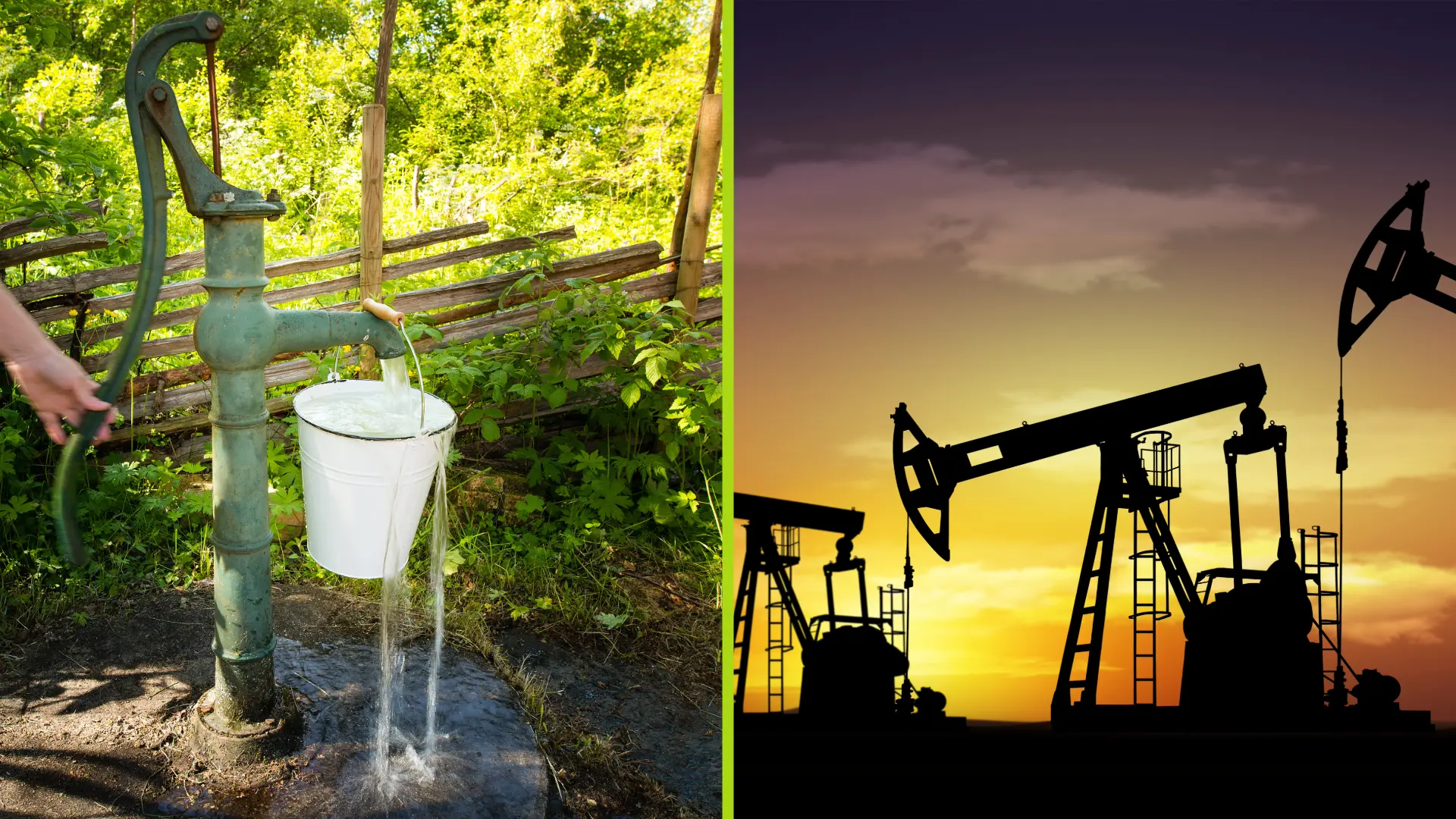
‘Leverage’: A nice term almost, when you think of old pumps that would bring water to the surface and into a home. A lever sometimes used to do the ‘pumping’… Exactly that is part of it when you think of getting or having “leverage” in negotiations: One or the other party to an intended deal being able to put pressure on. For their own good.
That’s what this war and the occasional recent (apparent?) ‘flares’ of attacks to break that truce indicate:
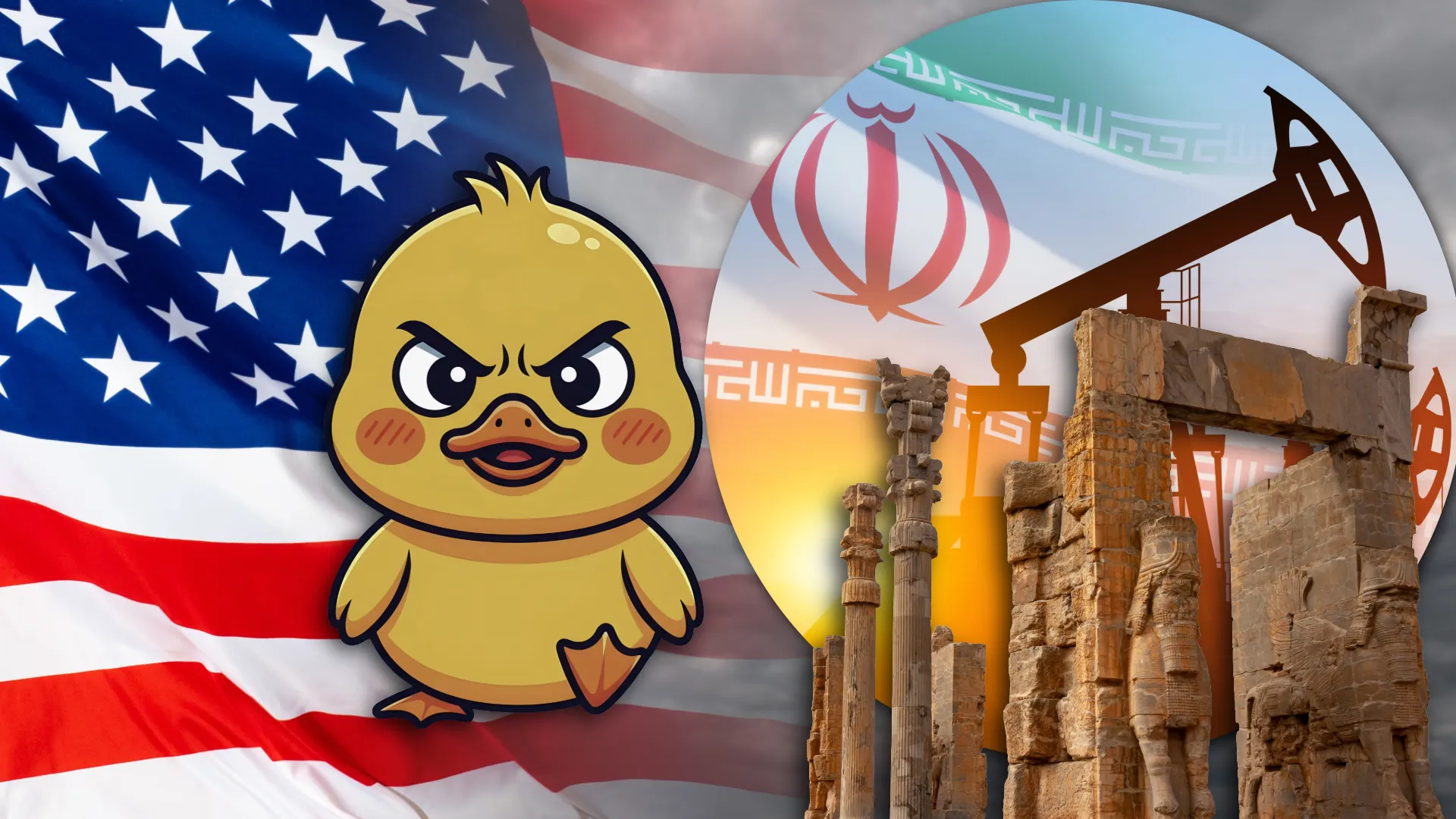
Remind each other of the respective position. Let’s remember that it was the US who started this. Internal affairs in Iran haven’t been anything easy to think of – or ‘write home about’; quite to the contrary. But this is not about that government, let’s remember that too.
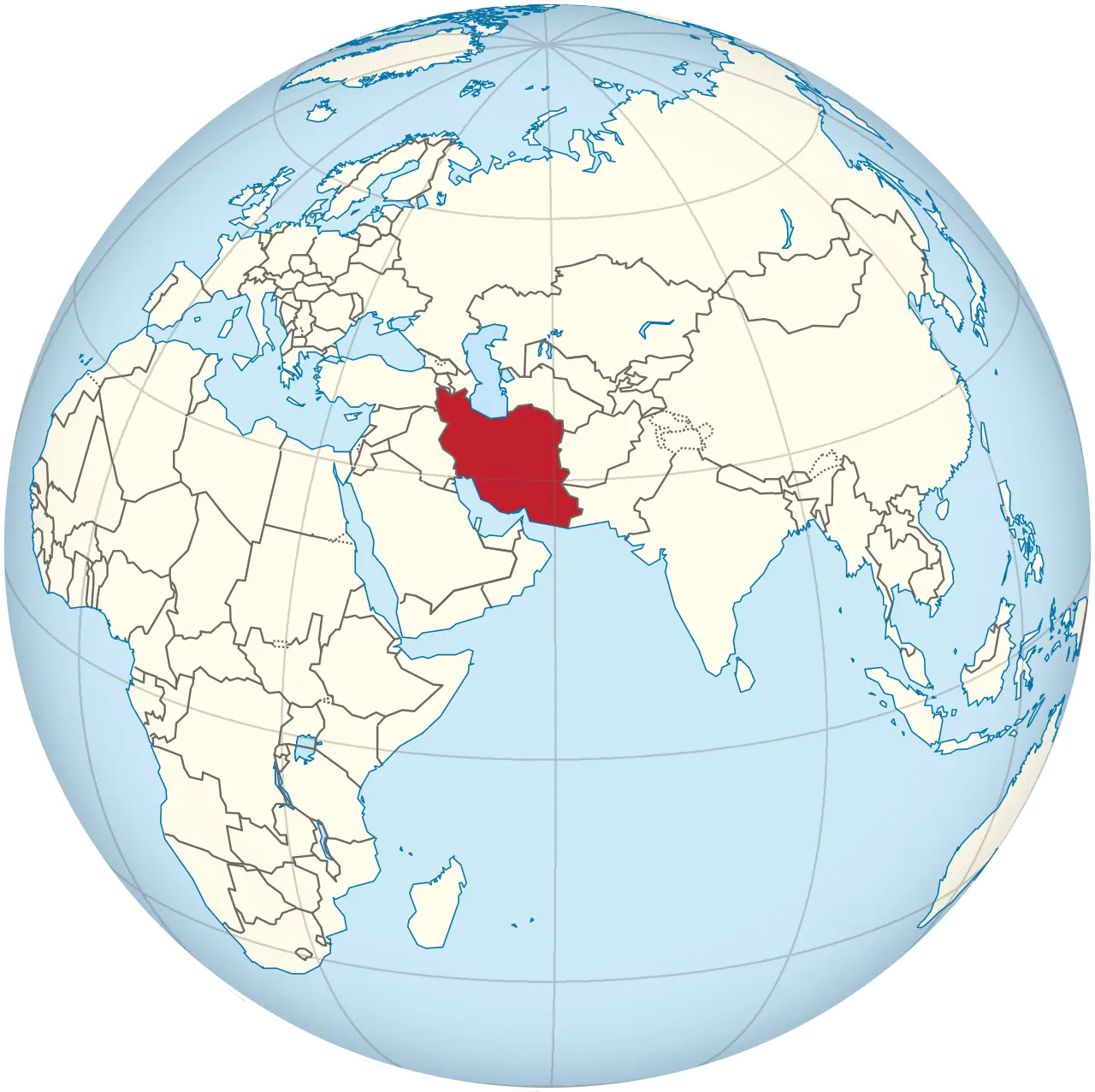
It’s about oil, Iran having the largest oil recovery industry in the world(!).
About a country, the US of A, whose population looks to the car as something almost like a body appendage: indispensable. Therefore petrol must be cheap. Which in turn means oil has to be cheap too and keep flowing in…
Especially with a president and his ‘coworkers’, his ‘entourage’, or cue-givers…, who refuse to look into a future of being less dependent on fossil fuels, which in the long run could make it better for all: Better water, air and less dependency on ‘any old’ oil well.
Let’s also keep in mind that negotiations take time. Which this president hasn’t got anymore, really: His second term in office is running out. If he wants to leave any kind of legacy beyond the recall of court actions, Epstein papers and worse, he has to make haste.
In the case of Iran that is one thing to better avoid. Haste.
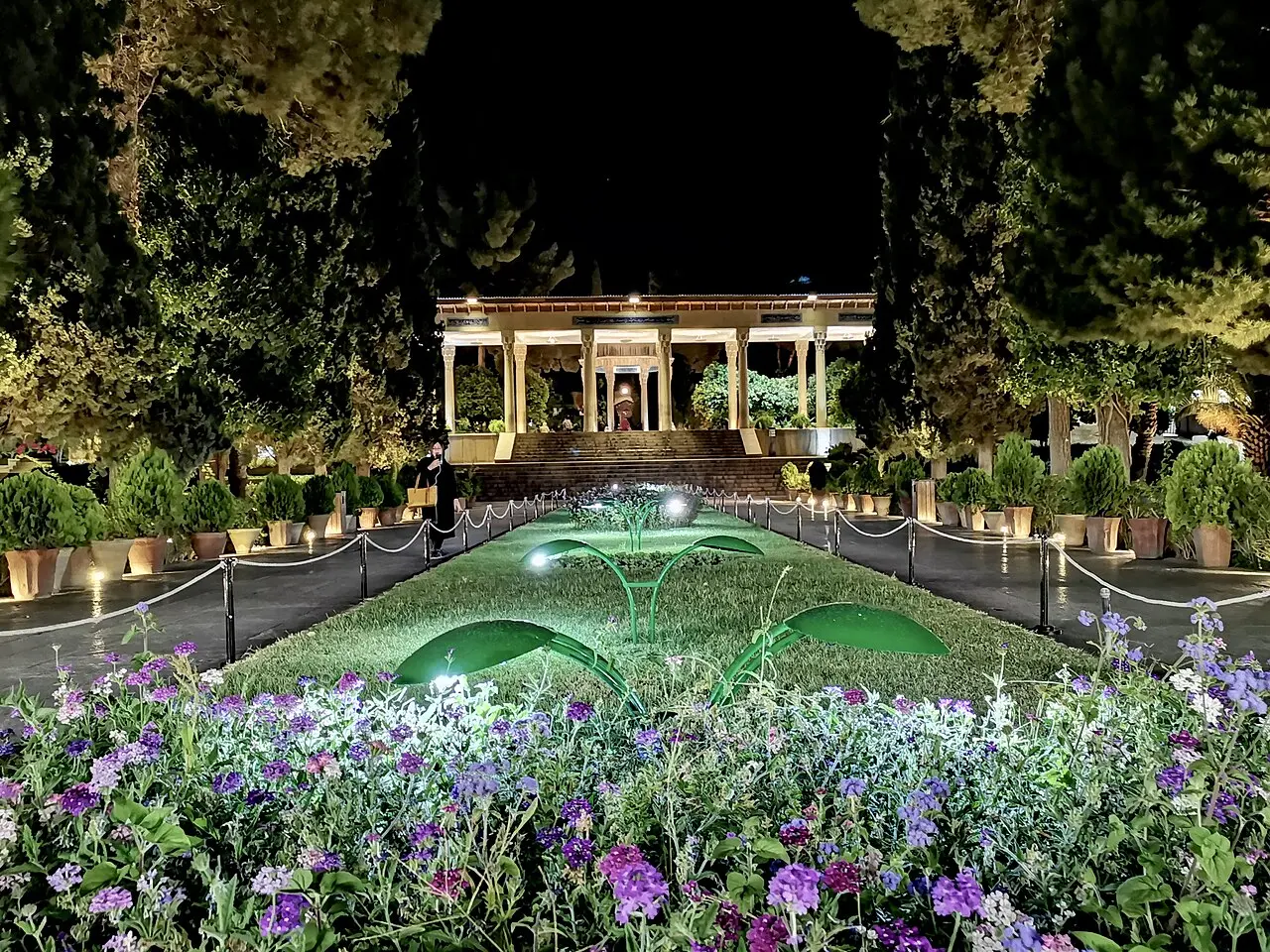
I love that old culture, reaching back thousands of years, into a rich and also troubled history. Full of poetry and wisdom and art.
Three crucial and very striking aspects of many people I had the joy to learn to know better in a comparatively long life are these:
-
- perseverance
- patience
- pride
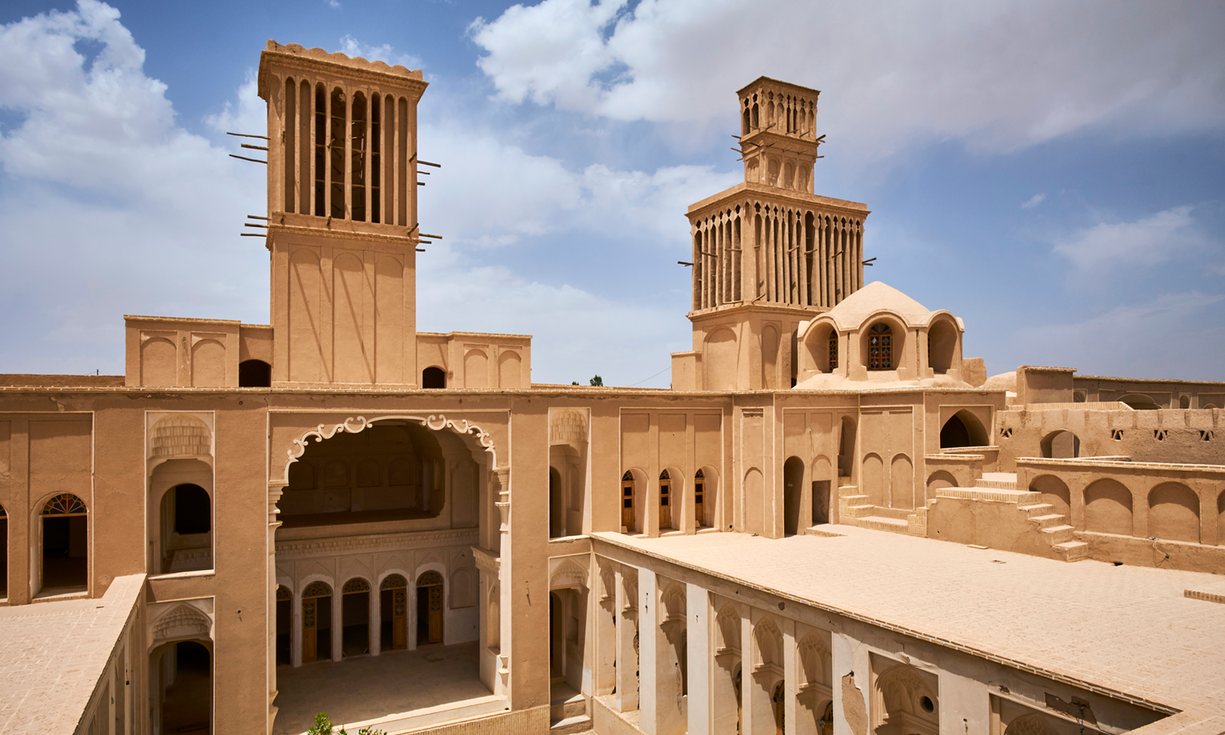
That also has its roots in the history of the country: For a couple of thousands of years and to this day being at the heart of a region that always was the turnstile to all cultures you can think of, far east, west and near east.
The free flow of all that’s good in mankind’s history and mind into and through this country, of languages, arts and influences of knowledge and wisdom – together with the resilience built up over troublesome landscapes with hot, forbidding deserts, constant threats by neighbours attacking and earthquakes into the bargain – have created a ‘fellowship’ almost of a people who at their best will neither give in to blackmail or extortion, and will keep their calm, their pride and their preparedness for reasonable offers to the last.
A wise man will look for good counsel. But some people are not wise enough.
Hopefully this shameful war will end sooner rather than later to make room for negotiations – that will need patience and real offerings.