“Love in the Afternoon” – or: Fascination – or: Billy Wilder, Variations on a Theme

Billy Wilder counts among the greats in Hollywood. For quite a number of reasons: Humour, several fascinating angles on stories, wit and suspense. Original ideas in plots and dialogue. 6 Oscar’s to his name, many more awards and quite a number of nominations. Sometimes people know his movies better than his name: The Seven Year Itch, The Apartment, Sunset Boulevard, Some Like it Hot, Sabrina, One Two Three, Kiss Me Stupid, and many more.

And stellar casts in almost any instance, Audrey Hepburn, Marilyn Monroe, Tony Curtis, Jack Lemmon, Walter Matthau, you name them: Almost any human that counted for something among Hollywood actors at the time was part of one or more of his movies.

Most of his movies are among my favourites. The song above is the central theme from “Love in the Afternoon”, 1957, a rendering of the Italian version from 1904 by Dante Marchetti. Probably the best way to make this melting point-feeling clear – in a nutshell.

A rather mundane subject you could argue, a ‘man about town’ and a girl falling for that kind of charm too soon. Yet, as always with Billy Wilder, he makes it special.

And one of his great achievements is to clarify the idea of fascination vs. love. Take almost any of his movies: When you look closely he did not just cross the boundaries of Hollywood’s Hays code (1930-1967) in extremely smart ways to be able to hint at the then ‘forbidden fruits’ of passion… he also made that distinction clear.

These days I wonder what his motivation was: Probably personal experience, one way or the other.

But, whatever the reasons, try one of them. Maybe listen to the song. Some of us will remember a few encounters in our lifetime.

If Billy Wilder and this post will help only one heart to heal… he did not work in vain. ☺️
Time – Einstein – Christmas – or: Relativity Revisited

(Image free license via Ecosia.org-search, filtered)

What is time, really? The hands of a clock turning? Or their showing its going by? The cock that cries in the morning to tell us it could be time to get up?
Someone put it like this: “Time is life.”
Some people say: “Time is money.”

How can it be all these things?

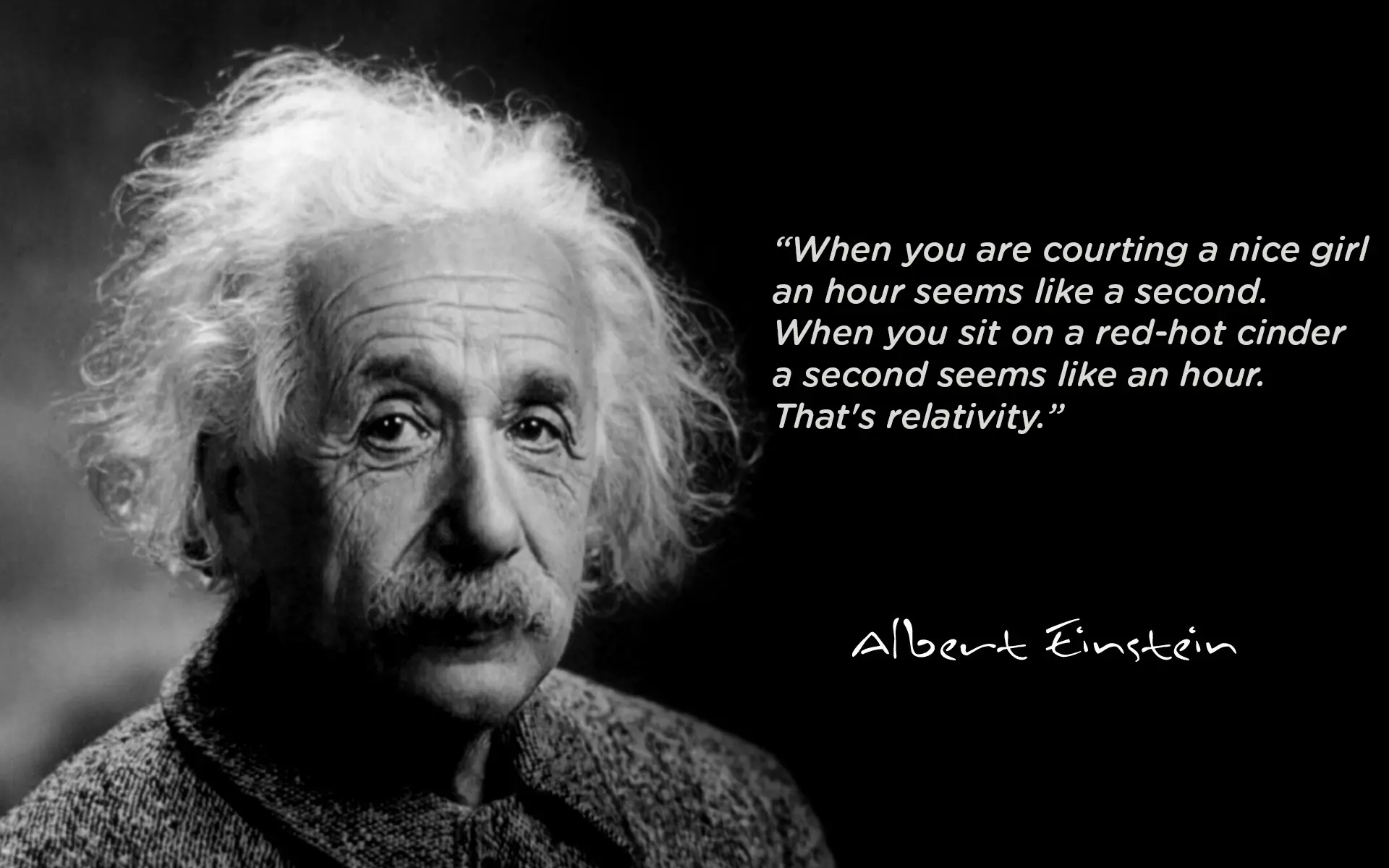
Because in effect, time is relative. As Einstein put it shown in the picture above too, it is relative: There is the measuring it, using ‘chronometers’ – the combination of Greek and Latin terms to say:
“a piece of equipment that measures time very accurately” (Cambridge Dictionary, my emphasis).

And there is what we feel about it. It can stretch in front of us apparently endlessly when waiting for something nice to come up – or happen. In some regions of this world it is Christmas, especially as children, that seems to take ages each year to finally happen. In some regions it is Diwali perhaps, or Norooz.

Measuring tasks’ durations now, is a different aspect of time:  As also quoted above, time is something that plays a huge role in business. How long to delivery day? When’s the ‘deadline’? In content creation, in opening hours, availability calculations – prices: How much time will it take such and such a number of people until the task is finished. The product ready?

Because, that’s the thing: Time is being paid for, too.

Calculating it can be an art. Because, believe it or not, grown-ups are not always really well-learned in the art of separating fact and feeling; impressions. Thus a meeting can seem too short – or too long. Depending on the point of view.

Suddenly, thinking about it, can make a talk, a discussion or even an argument seem too long. Too much.

I learned early in my professional life to at least get an average of an idea how long a task takes. I was part of several projects in several places of work when working my way through university, where a minute by minute record was kept over a period of 2-3 weeks: Make a call, 10 minutes; write an email 15 minutes to 30 minutes. Look around in the building for 4 certain persons you want to talk to: 30 minutes.

Over time as a working mom, too, I developed a keen awareness of what time each task would – or does – take.

These things sometimes seem so ordinary and self-explanatory.

But just like Einstein – we can be gauging the time taken – all upside-down.

“When you are courting a nice girl, an hour seems like a second. When you sit on a red-hot cinder, a second seems like an hour.
That’s relativity.”

Communication – or: The Man and the Hammer – or: Culture and Customs

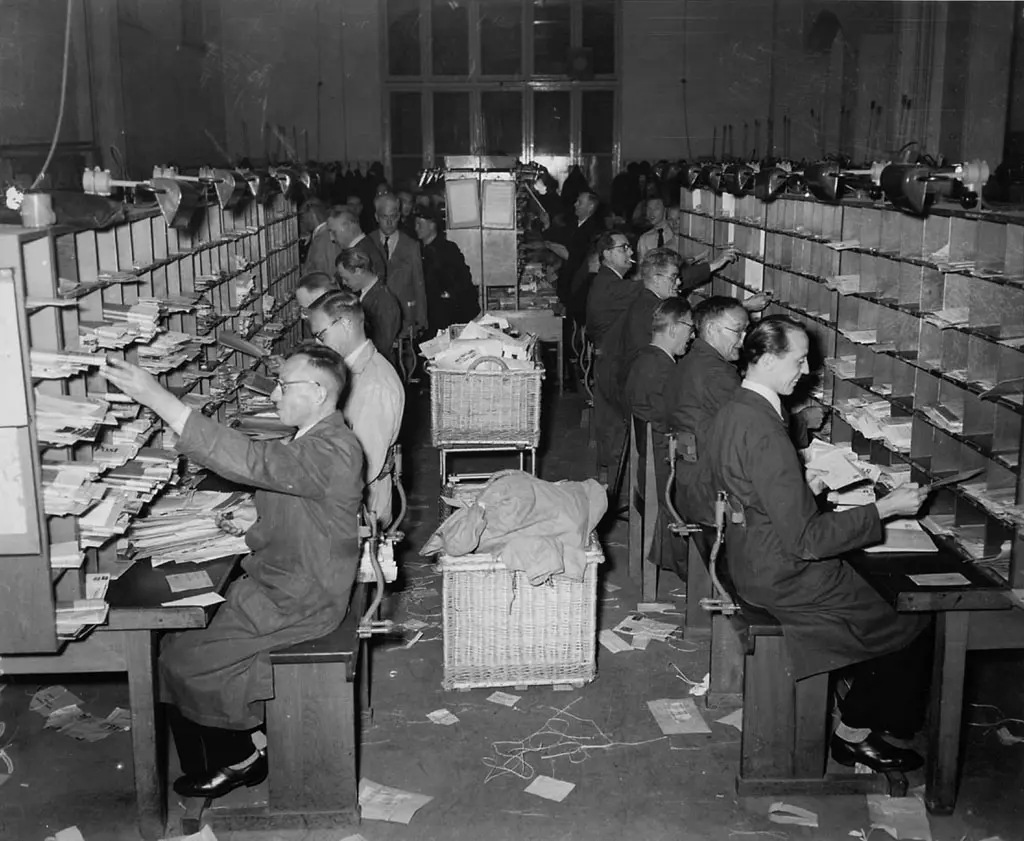
Image courtesy Wikimedia Commons, original title: “De postbesteldienst op het PTT hoofdkantoor. Sorteerders met de hand aan het werk, 17 oktober 1952”

Communication can be an art. In any way. In former decades, not to say centuries, writing was done, especially in business contexts, by specially trained people, sometimes secretaries and even assistants. In even more ‘former times’, they weren’t women, at all.

Since that time, the art of writing business correspondence was pushed towards women, around the time that the first typewriters became available.

After that, a longer stretch followed, compared, where women sat sometimes in large offices, in a veritable hell-hole of the noise of clacking typewriters, and wrote all the business correspondence that these days is done – via email.

Additionally, almost no one has a secretary or ‘typist’ to do their typing for them anymore. The letters back and forth in former times were taken in sacks each day in larger and smaller companies to the post. Or in whole cartloads, in internal mail, carted around by specially hired mailboys.

So, what happens? It becomes rather more difficult to define or identify the style considered appropriate inside or outside an organization.

And words matter: They create an atmosphere. They make images in our minds.

Yet, still communication is also a science. When we find in real life that we are misunderstood, it’s mostly a question of sender and receiver: To stay in the image, one ‘says’ green, the other understands ‘red’.

Paul Watzlawick was a standards’ creating scientist in that field, communication. He wrote standard works. He also wrote a bestseller of decades, his “The Situation is Hopeless but not Serious: The Pursuit of Unhappiness“.
Meant as a funny, sometimes satirical, look on how easily people get each other wrong and make their respective lives difficult. The story of the man with the hammer can be found inside it.

One or the other of my readers will have encountered funny as well as mundane situations of misunderstandings that could be resolved easily and with warmth.

Sometimes, misunderstandings can become more serious, when people do not talk about it early in the day. Or just rely on hearsay. Another miscommunication that so easily happens. A nice German saying goes like this:

“If a man sneezes at the top of the village high street, at the bottom of the village high, he is dead.” Meaning to say: Hearsay usually enlarges things – out of proportion.

So, let’s listen to each other, not to 3rd parties – and be patient. Culture and customs can make things tricky. But with understanding and compassion we will get at the bottom of them.

Circadian Rhythms – “Daylight Saving Time” or: “My Way”

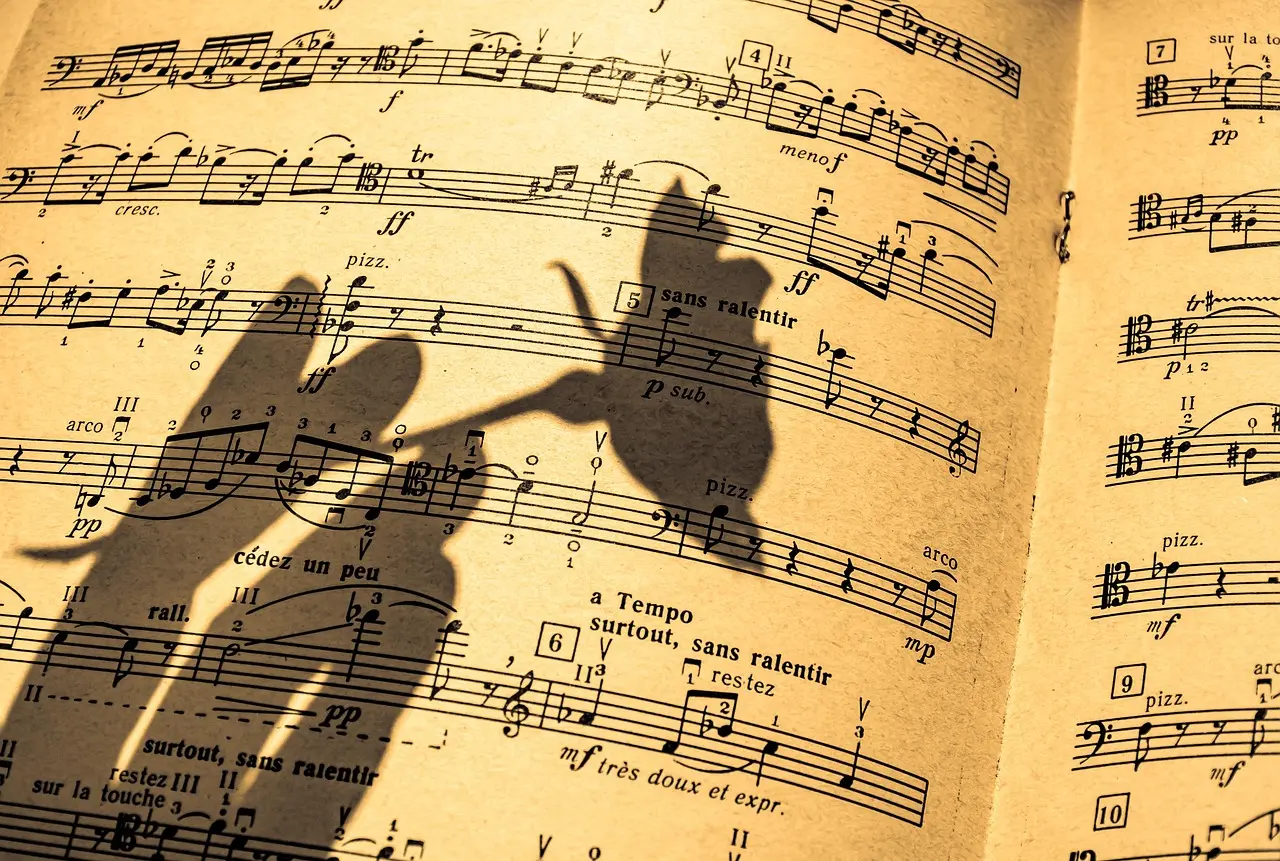
A music sheet with notes, and the shadow of a hand in front, holding a rose.
Image by Ri Butov from Pixabay

“My Way” is a song first rendered in French, actually: Comme d’habitude. The English version has the same melody but different text, saying that a full life can mean to do it ‘your way’. To me there’s of course community. Or the necessities of earning a living. But preferably with things I love to do. In my case that’s texts and technology, being a technical writer.

Yet, in my free time I like to listen to my inner rhythms. Not so much the ‘clock’. The necessities arising from an eventful professional life and other considerations, making it a challenge at times.

I’ve learned doing Yoga routines. I know about Ayurveda and Traditional Chinese Medicine.  Enough to know that being at one with yourself can mean:
“Less is more.”

Circadian rhythm refers to the fact that the sunlight and darkness means something to our everyday life. There’s a lot of scientific research around by now and they confirm the age-old systems I just mentioned.

It may also depend on the phase in life we go through which can mean that adventure or eventful days are aimed at.

But “the times they are a’changin’.” In other words, to be able to live calmly and quietly, doing the mundane things, really, such as writing here; exchanging ideas. Or have a fine, late breakfast on a holiday, with friends even, can be the ‘order of the day’.
Blissful living in the true sense of the word.

Rhythms.


(Reused my own previously published content.)

Would You Be a Lady? – Corsets, Crossed Legs, Cinderella, and the Bad Back

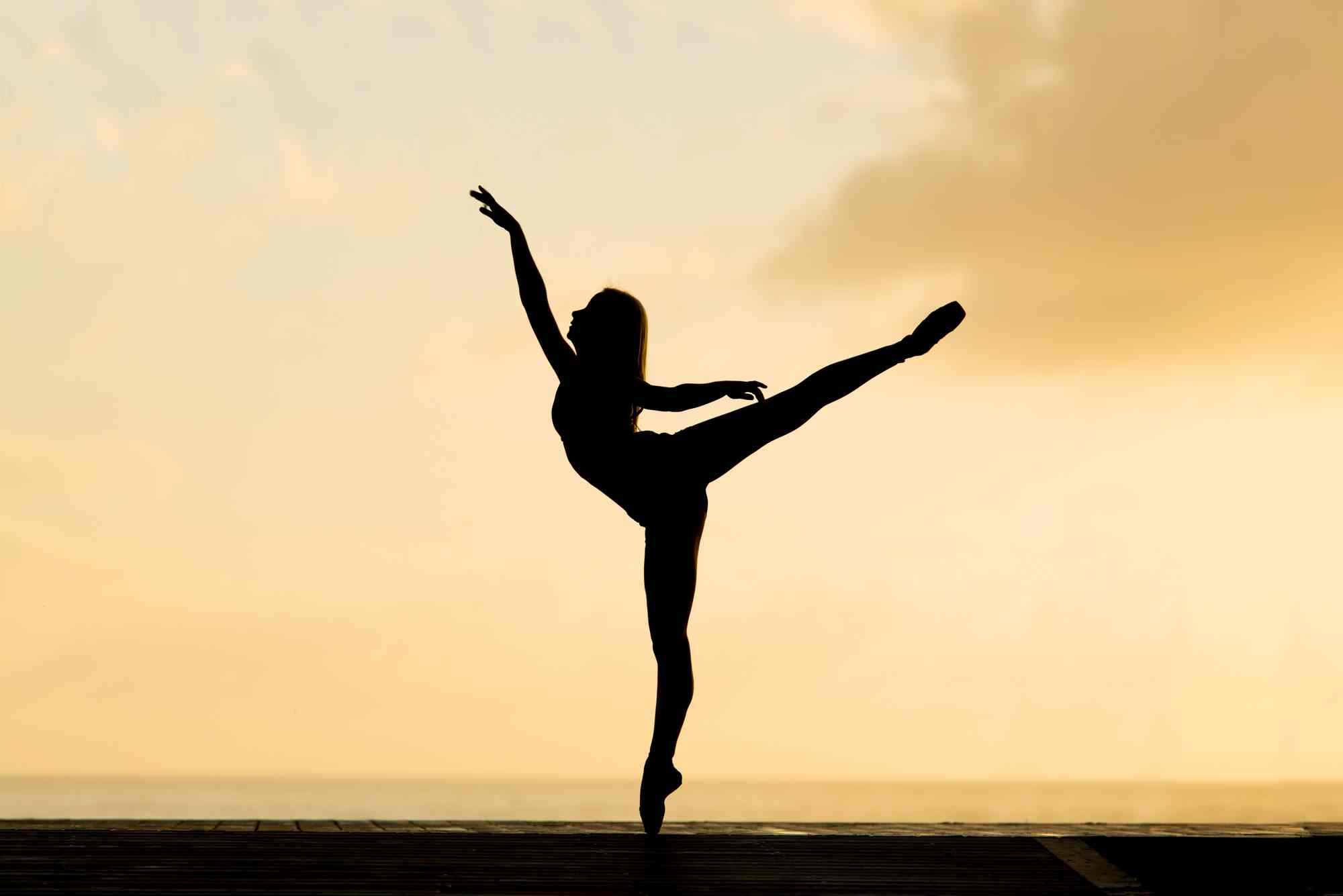
Young lady standing on one leg on tiptoe, as a silhouette before a sunrise sky, arms raised, one leg raised, as if dancing ballet.
(Image free license by David Hofmann on Unsplash.com)

For centuries in many parts of Europe a very distinct idea of the true lady existed: she was never loud, never obtrusive, never swore, did not know the words to describe the bodily functions and if even a hint of the juicier sides of life was alluded to in a conversation, she would faint.

This changed in the course of centuries since the advent of the civil society, when first the equality of men was declared and later on the freedom of men, women and even slaves was proclaimed.

Step by step the enlightenment and women’s lib movement acquired a foothold in thoughts, ideas and finally in law: yet in the late 18th century, when the French revolution started a whole volley of changes, and equal rights for all men and freedom for serfs were introduced – women were not even considered, much less covered, by such laws.

As had been custom since ancient Greece and Rome, the law considered ‘man’ to be free and have the right to vote. ‘Man’ did not mean ‘human being’, but literally the male grown-up of the society. The eldest sons not even of age were often put to ‘look after’ the women and younger children of the house, when the father (‘pater familias’) was away.

Women were considered to be weak, a lady was something like a hothouse plant, to be kept under wraps, to be protected and hatched and not to be spoken roughly to. On the other hand she also was considered to be less smart than a man, practically dumb, less able to conduct business or study the serious subjects, such as high literature, medicine or law.

In the course of the 19th century this became even more pointed when a ‘writing woman’ was likened to a ‘monster’, in so many words, in articles of special ladies’ magazines, books for housekeeping and instructions on how to properly behave as a lady.

Well into the 1950s, the seminars and classes for young women were well known in Germany, to instruct the bride-to-be in how to take care of the man, cook, clean the house and dress, the so-called ‘Bräuteschule’.
Down to the crossing of legs, the conversation considered suitable and the poise of the head, the shoulders, how to hold cup and saucer, knife and fork.

The most cruel expression of this idea can be found in the German version of the fairy story of ‘Cinderella’: two of the daughters are encouraged to cut off their heel or toe to fit their feet into the shoes for the dance – to ultimately ‘catch’ the prince.

All this made for another kind of corset: the strict rules thus creating a restricted range of body movements caused numerous problems for health and well-being. Among them reduced blood circulation especially in neck and shoulders, legs and lower back.

Today we are lucky that in some parts of the world this has been realized and also leads to a potentially more relaxed expression of emotions and thoughts.
I still think an evening dress worn to a ball and the grace of a dancing woman is fine to look at, and feel when doing it myself – but personally I enjoy it so much more, when dress and shoes ‘fit me’ – not vice versa.


(Reused my own previously published content.)

Prejudice, Stereotypes and – Reality

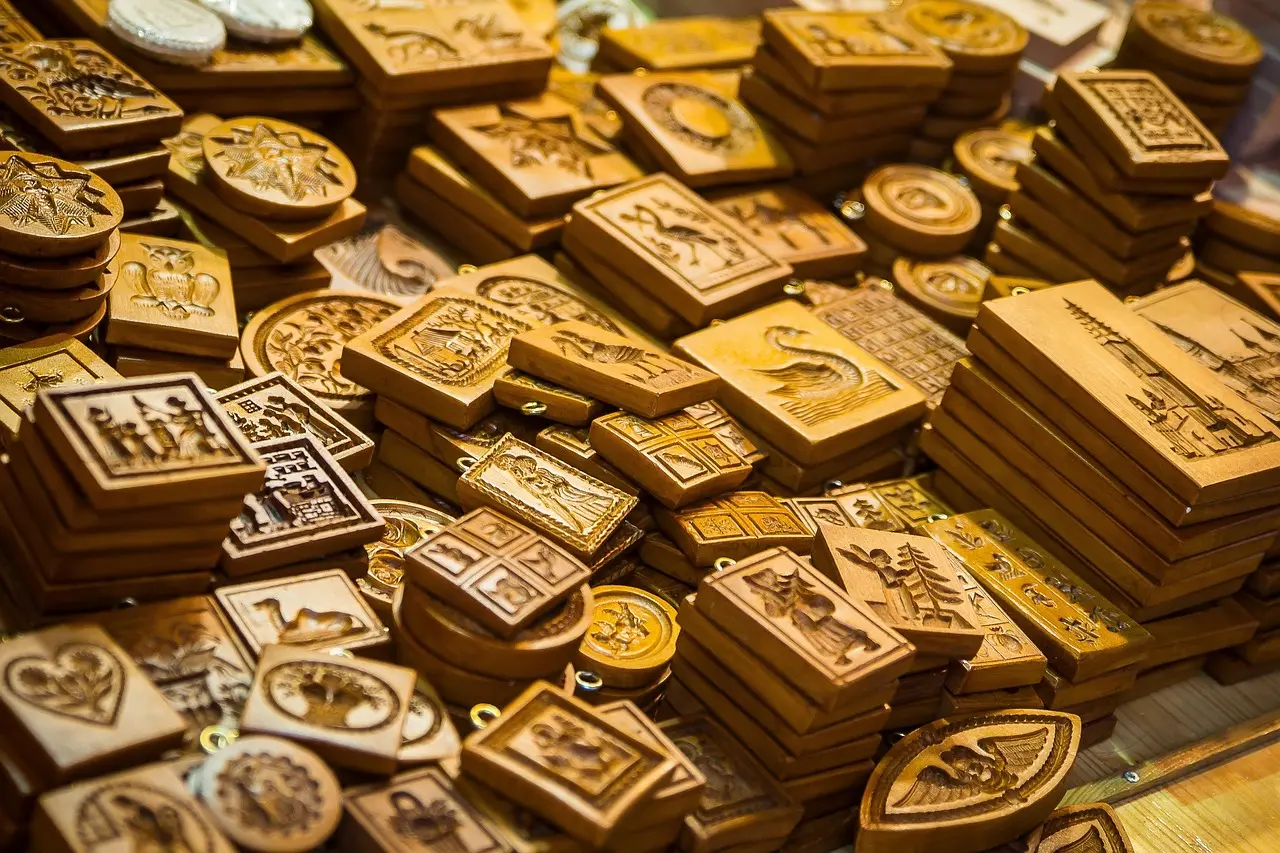
photo of a heap of slightly disorderly cookie moulds in several shapes, in a nice lighting.
Traditional baking moulds, in some regions called ‘Springerle’ – Image by Th G from Pixabay

I feel lucky in many ways, in spite of a hard life, with a family to raise, and work and university studies in parallel; sometimes three of that kind of jobs to bridge the gap: a few hours each per week, altogether adding up to a part-time job. I had very educated parents, siblings younger than myself, basically smart and healthy. Loving relationships. Friends.

We all know about the downsides, usually, after some time: Life is not what they show us in advertisements or those types of fairy tales where they ‘marry and live happily ever after’… or that kind of Hollywood movie. Disappointments occur. Layoffs. You get sick – and well again. And learn your limits that way.

Prejudice? Stereotypes? What do I mean?
Aren’t men always… and women always…?
Is it not clear as daylight that people who live alone are out for adventure?
That ‘job-hoppers’ just cannot keep a job down and often are bored after a few weeks?

Yes. And: No.

The thing is: Prejudices can sometimes help to quickly order our world, judge people we meet and ensure that we feel up to it: the person, the situation, the task – or a message.

Mostly it becomes even easier when we can look down on them, or it…

But I am out for something else here: If we judge people or situations that way, we too easily miss out on them. The kind-hearted ones who are not all that they seem to be. The experience that although difficult in itself makes you stronger.

These days it has become a fashion that social media are used as sort of presentation not to say selling platform: Not just companies but also people, individuals, expose their private life in order to show how great they did. What they achieved.
That can make a difference. When we look for a job. When we are out of one. Showing our professional expertise.

It can create the idea though, that everyone else is doing fine, ‘by the book’… ourselves being the only ones who also face sorrows. Difficulties. Or worse.

“In sickness and in health…” part of the official Christian marriage vows: They put it there in a nutshell: Life is a mixture, of love, of friendship found and lost; of disappointments; of successes, smaller or larger – and all those times you just got back up again.

Nelson Mandela, former South African president and before that fighter against apartheid which after 40 years imprisonment he actually witnessed going under, put it like this:

“Do not judge me by my successes, judge me by how many times I fell down and got back up again.”

Life’s Lovely Layers – or: Keeping Healthy

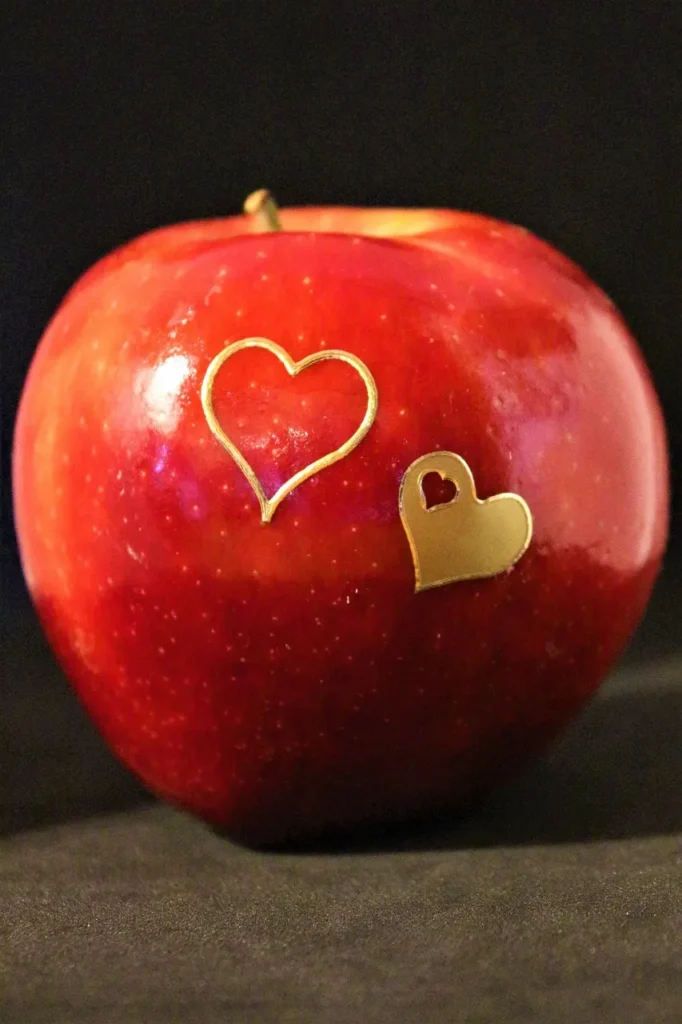
red shiny apple with two golden heart shapes printed on it.
Image by Andy M. from Pixabay

There are a few statistics about people looking at health issues due to more than average ‘alone time’. It’s usually defined as being alone and feeling lonely.  That’s not uncommon, since we learn at some point that people are meant to be part of a group. A family. A group of cohabitants. Friends that have found each other. You name it. Numbers seem to have increased since the pandemic and the so-called lockdowns.

Love being at the bottom: feeling connected. It’s been shown that babies actually die when well-kept but unloved. Especially after WW II, but even before that, it became more and more apparent, when checking on orphanages and then-considered-modern methods of care that love is at the bottom: “[…]It was a meaningless task, as all the infants died. They could not survive without the caressing, the smiles, the words of their mothers or even their nursemaids.”
Quote from the cited blog entry recounting the emperor Frederic II’s the Great in Germany ordering to deprive babies from all tenderness and speech, since he wanted to find out, what language they would speak first.
“… all the infants died.”

It’s possible as an adult to be alone a lot without feeling lonely. But it needs some practice. Yet, ultimately human company is actually still very important. The voices, the sounds and the atmosphere created in a room by human presence beats all ‘digital rooms’.

We know that also from literature as well as research into what is called ‘solitary confinement’. It is a particularly cruel way to penalize prisoners and often very effective. Few only over centuries were able to safe themselves, due to some understanding of the mind’s working. Playing little games. With chalk perhaps. Or scraps of paper, a few coins.
Consider Alexandre Dumas’ novel “The Count of Monte Christo”: Indeed reading that will keep you at it: vivid and colourful. Human life in all its beauty and cruelty.

In most places these days that kind of imprisonment has become obsolete. But research into it is quite educating.

When you look at ancient systems of health, such as Ayurveda and Yoga or TCM (traditional Chinese medicine), you will find several techniques to centre the mind.

“Mens sana in corpore sano” is a Latin proverb from ancient Rome, apparently. It means that a healthy mind lives in a healthy body. There’s modern research that confirms this proverb. “Move your body, anyway you can.”

If you are employed you have the contact with people at work. Talking, working together, consulting. Yet, sometimes we lose jobs due to layoffs. Or cruelty of people missing out on understanding. Or the social skills.

When all is said and done, the more you know about mind and body, emotions and thoughts, the better you will deal eventually with being alone. But after a healthy young and adult life around people – even the less good ones… you learn both:
Be with people, in  moderation – and being without them, in moderation.

But also be aware – and not being a doctor or consultant myself, even more so, I like to create awareness: Sometimes, just as our body gets sick and needs the help of a doctor – so our soul may. Do not hesitate to contact professional help. It’s your best bet. Asking for help is a sign of strength.

Hearty greetings to all who read this and can relate. 🥰

Herbert Grönemeyer – Song “Männer” – “Men” – English Version

I have posted before on the relationship between men and women, about patriarchy, images, perception and stereotypes…

One wonderful German song exists since the 1980s, when the German pop culture had one of its highlight times: the “Neue Deutsche Welle”.

Famous representative among others is Herbert Grönemeyer, and his perhaps best known song, “Männer”. Sharp-witted and warm-hearted at the same time, he dismantles by hyperbole… Enjoy!

Surprising to me is the fact that there exists a well-crafted English version by himself. Posted here for all of you guys I’ve met as good friends or colleagues – and my fellow female human beings, who’ve known a man or two, too.

News vs Life: There’s More to It Than Meets the Eye

Hungary, Budapest Parliament on the Danube – Image by Jo Stolp from Pixabay

These days it seems that the world is a dreary place, when you look at news. Nothing seems to go right? Wars, greedy heads of state and their assistants, such as Trump, Putin and Musk: Buying votes, making even more money.

Yet, although I’d rather avoid writing about it here and now, let’s remember: Elon Musk had received millions of government funds, partly for developing for Tesla.
When it turned out that developments failed and he would have had to pay back – he first turned sudden Republican supporter; and then a little later dissolved a couple of US-administrations that would have made his company fail altogether…
And that was not all by a long chalk.
(Links to CNN, Los Angeles Times and The Guardian, UK)

Prices rising, people being fired in droves, thousands of them.

Part of some problems is that pressure to make money: If costs of producing are high, you need to reduce costs in order to be able to keep prices low or average.

But I also like to point out this: When all is said and done, we have a world around us here in EU, that is amazingly safe from attacks, the ‘mugging’. Beautiful countryside, multiple cultures under one ‘roof’.
People who are hard-working and interested in developing ideas.

People, who know what it means to enjoy life even on small budgets. Who are careful and responsible.

Who know that love is at the bottom of it. Human life depends on it. It has been proven that babies die when well kept – but unloved. Grown-ups could despair.

Let’s remember too: News are being sold. And sensations sell so much better than the good things.

There are dedicated news and TV documentaries for the good things: Here’s a German one, called Good News from the Planet – Gute Nachrichten vom Planeten.

Life is more than just the news!

Apart from that we would want to keep to it – and remember about the breaks. (✿◠‿◠)

The Economy, Experience and Resilience: Yes, We Can

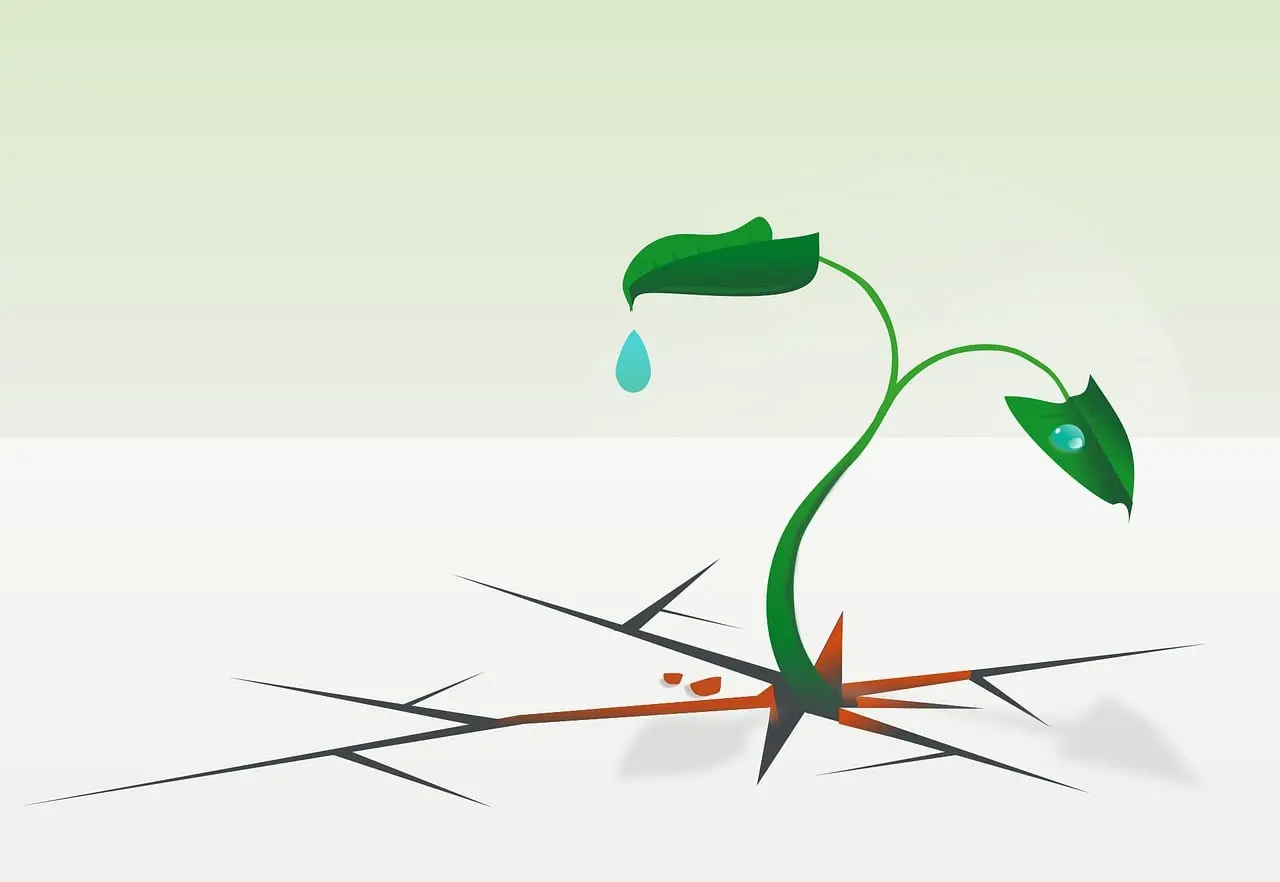
A twig fresh and green drawn as image growing on an apparently dry surface.
Image by OpenClipart-Vectors from Pixabay

Epidemics and pandemics never were easy to get over. In the past we didn’t have the technology or the knowledge on how to protect or how to safe or how to vaccine people against viruses. There were times when viruses weren’t even known. Most of us know them now. The aftermath of a pandemic or epidemic though was known through history even then:

Economic upheavals, you might say, were common. As they are now. At the moment the introduction of AI on all levels seems to cause similar reactions in markets and companies as the introduction of personal computers – at the time.

Will it take over? Will people become superfluous in working life because of it?

By this time, many know a bit more, due to computers, actually…
go figure… ◕‿↼)

I am a technical writer by profession and have documented AI successfully. The US agency Gartner mentioned that documentation specially in their Magic Quadrant on Metadata Management Applications in 2019. That’s why I can safely say here, too:

    • AI is incapable of replacing humans altogether. What will happen and already does, is a shift of tasks.
    • And: New kinds of jobs will be created – and do even now, to some extent, such as the ‘prompt engineer’.
    • AI, although the name suggests it, does not ‘think’. It is based on probability formulas that are ‘chained’ into certain orders and thus called algorithms.
      That is: Statistics.
    • Therefore, humans will always be needed – as programmers, users and monitoring personnel, at least.

What we are looking at now is a global economy crisis that is mainly due to the short-sighted handling of tariffs on the one hand and ‘war on oil’ on the other by the present US government.

When all is said and done, trade and economy are based on consumers’ buying. If they don’t because they can’t – prices rising all the time – what do they expect?

Supply and demand: That’s the basic ‘law’ of the system. Break the chain and you break the demand – and thus the profit.

For all those of us who have gone through, or are going through, layoffs for example, that is particularly hard. Even more so when there’s no protection through labor unions.

But giving it up – or ‘handing in the tools’ … is no option. In trade, at exchanges, it’s called ‘baisse’ and ‘hausse’ or high and low.

We can get through it. With trust and confidence – in the right places.

YES, WE CAN.